Master the Art of Time — Learn Watch & Clock Repair Like It’s 1921


 To All Fellow Horologists.
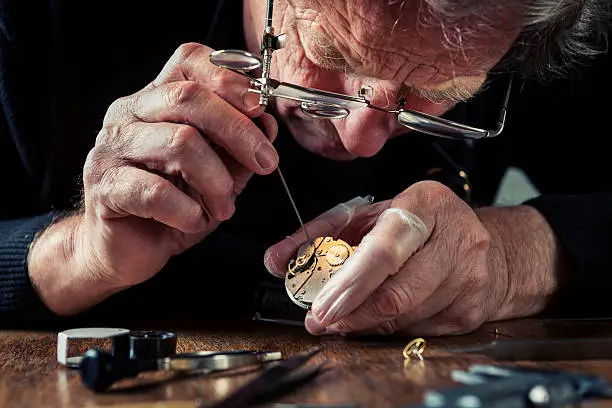
All You Need To Do Is Follow this amazing
vintage Watch and Clock Repair home study course Step-By-Step
First though, let’s start with a simple FACT…
Most unqualified Horologists whether Just a Collector, Interested Hobbyist, Clock and Watch Antique Restorer or Jobbing Repairer have never had the opportunity of having the terminology, practices, principles and skills passed on to them that have been passed down through generations of clock and watch makers.
Why?
Because most people if not on a career path in horology find there is a total lack of affordable local watch and clock repair courses and most people are so busy with everyday tasks like, going to work, taking the kids to school; just the everyday living.
They never get access or opportunity to the practical techniques, skills and knowledge passed down through the ages. They probably discovered how difficult it is to find structured, comprehensive instruction that starts with the fundamentals and builds toward advanced repair.
They are left with gleaming knowledge and techniques from second hand books and internet sites piecing together random YouTube videos, incomplete forum posts, and expensive modern courses that often skip the foundational skills.
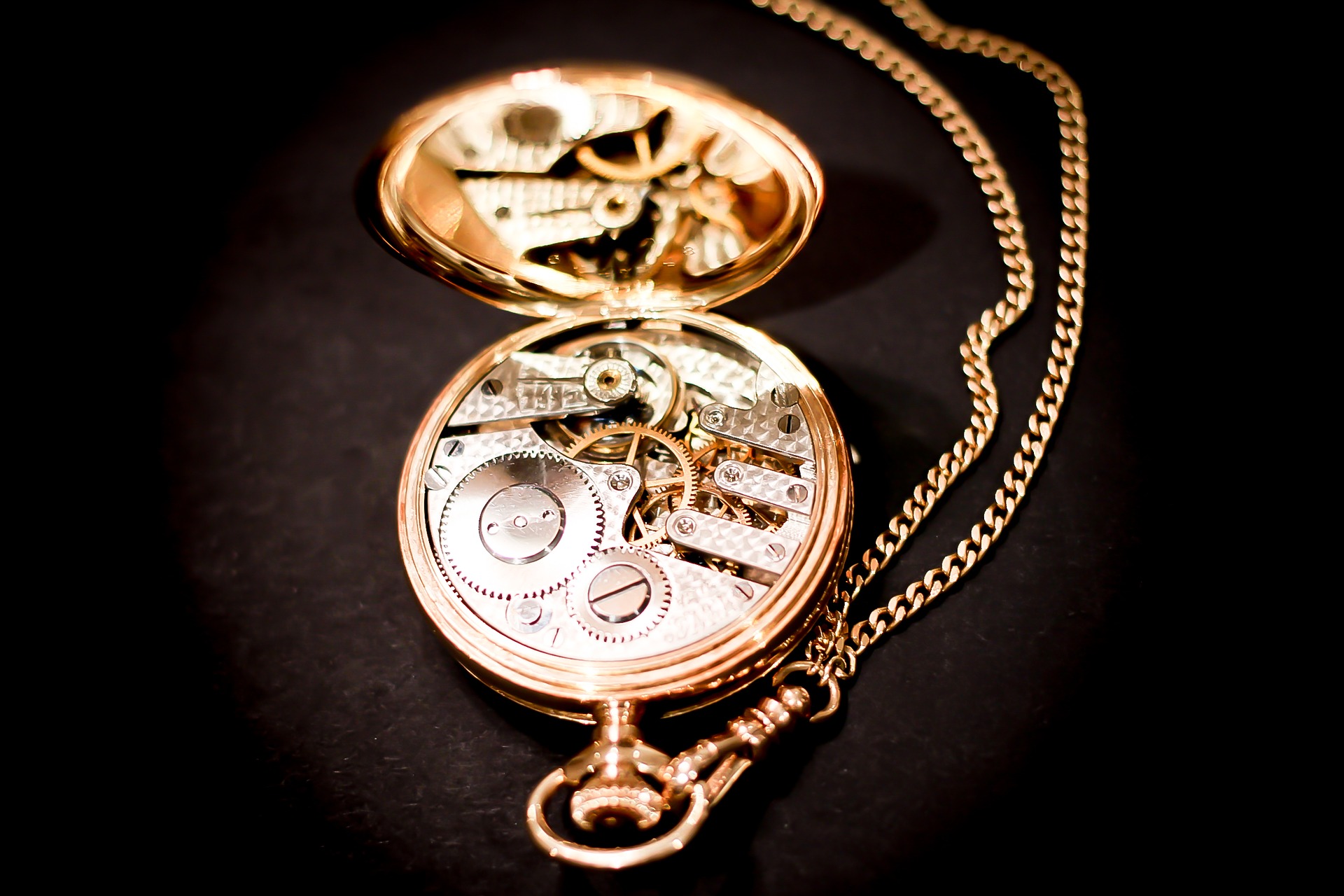
Many own mechanical watches or clocks but never acquire the confidence to repair them correctly. They’ve searched endlessly for reliable training, only to find fragmented information that leaves important gaps.
If you’ve ever wanted to acquire the professional skills of a watch or clock repairer, you already know how frustrating it can be.
You jump from one tutorial to another but never develop a complete understanding of how watches and clocks actually work. You are always afraid of damaging valuable timepieces because you haven’t been taught the proper techniques or sequence of repairs.
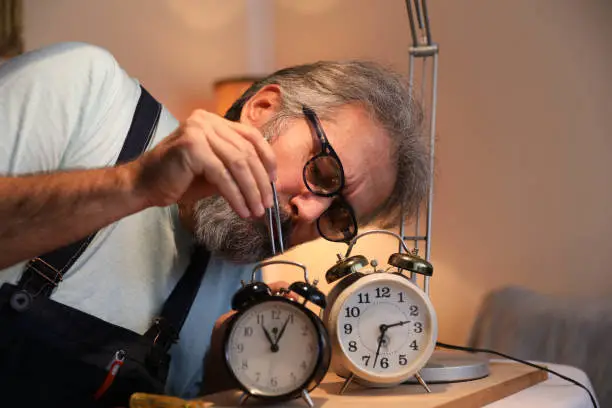
If you’d love to build a rewarding hobby or even start a side business but don’t know where to find structured, professional training.
You will have the knowledge and data you need to overcome any problem you run up against, you will understand the terminology and correct tools to use, you will master all the classical techniques which are still essential in repairing mechanical clocks and watches.
All done by you, taking advantage of Flexible learning…
You will complete lessons at your own pace, tailored to your spare time.
There is Practical training to business conversion written for learners aiming to open a horological business.


Now, if you are at the level of competence you require and feel no need to increase your knowledge, techniques and skills, or you are already a certified horologist (BHI or NAWCC) this course probably isn’t for you, except for an invaluable irreplaceable reference source.
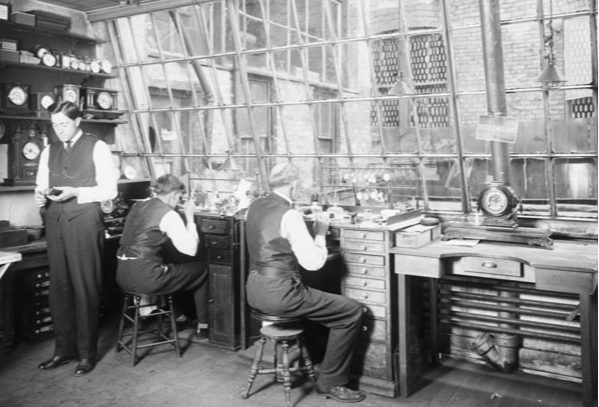
Let Me Introduce You To…
The Wisconsin Institute of Horology Home Study Course
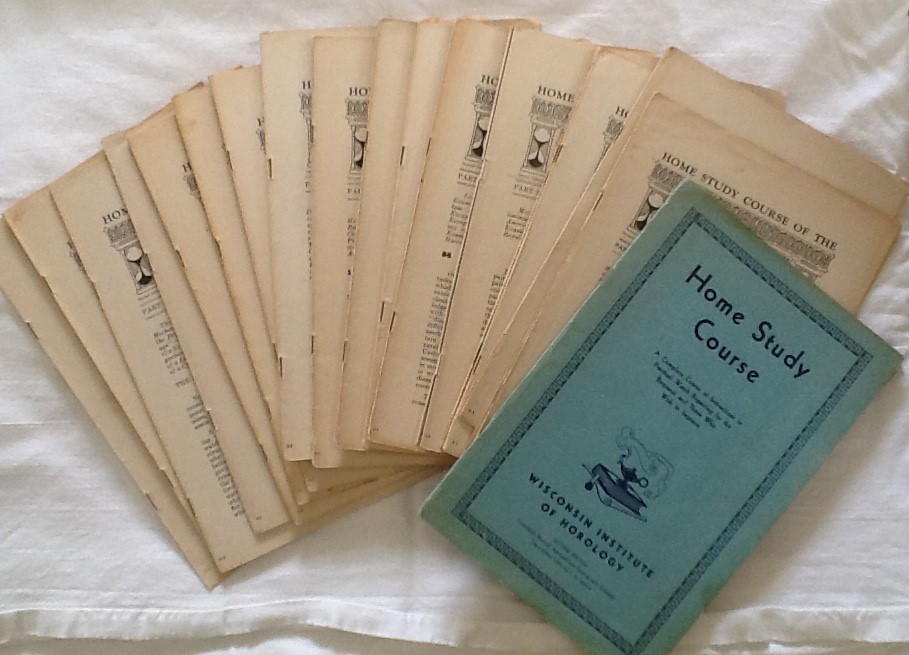
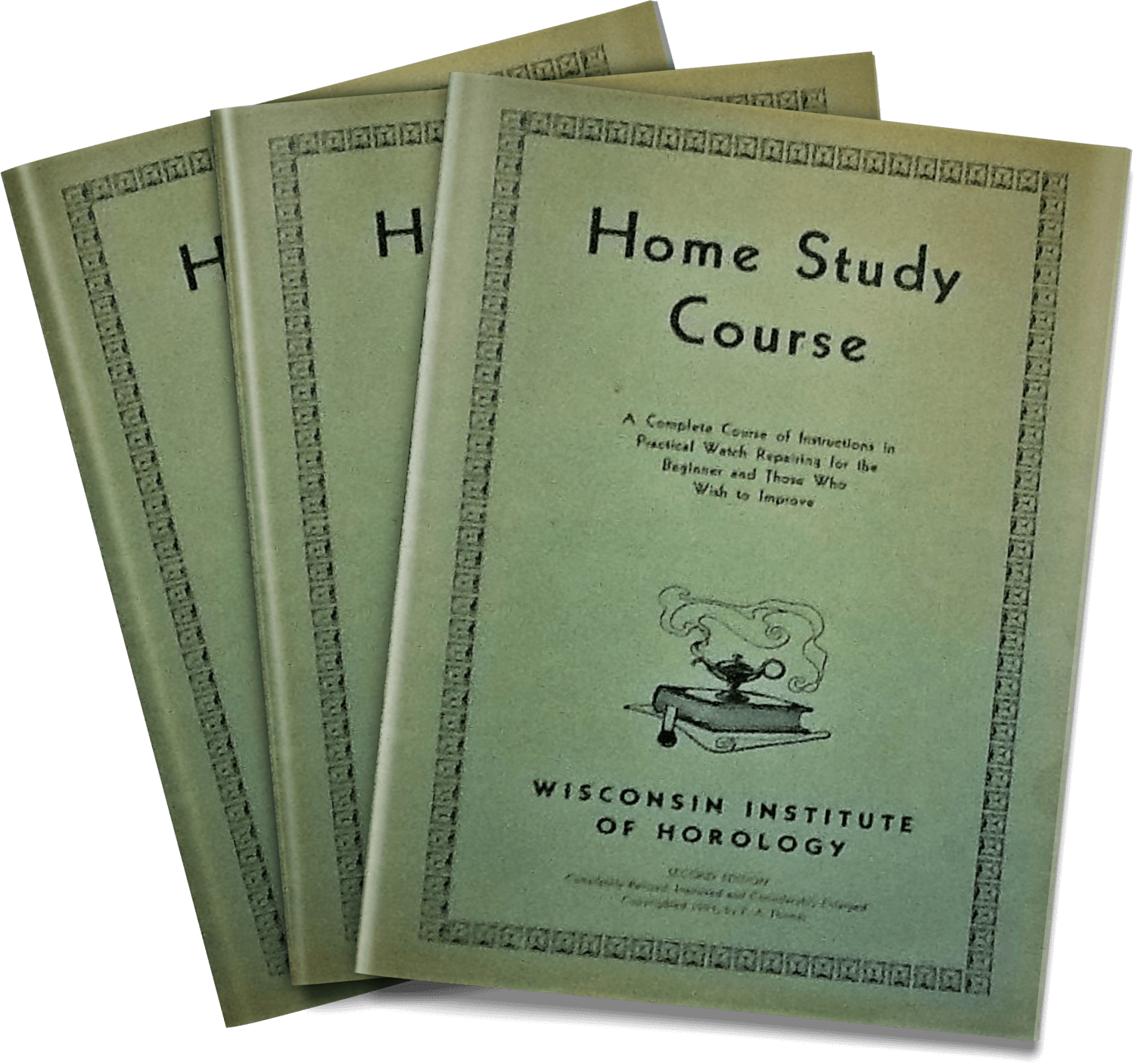
Introducing the Digitised 1921
Wisconsin Institute of Horology Home Study Course
A meticulously copied and digitised edition of one of the classic home-study watch making courses ever produced. Presented as easy-to-read PDF files, this complete 23-lesson curriculum preserves the instructional material originally designed to teach practical watch and clock repair from the ground up.
Here’s What You’ll Learn… Take A Good Look At The Index
Part 1: Elementary Skills
Build the foundation every competent horologist needs:
- Filing techniques
- Lathe fundamentals
- Pivoting
- Jewelling
- Precision hand skills
INDEX
• Part 1: Elementary, lessons 1-6.
• Part 1 Lesson1
The Watchmaker’s Work Bench—Introduction to Elementary Work—The Use of the File——Filing of a Clock Screw—The Use of the Hammer—Filing a Conical Pin.
• Part 1 Lesson 2
Making a Pair of Clock Hands—The Blueing of Steel and Iron— Making a Pair of Hands of a Richer Design——Making a Small Setting Spring—Hardening and Tempering of Steel—Grinding and Polishing of Flat Steel Parts—Making of a Set Lever Spring—Making of a Regulator—-Making of a Stem Set Lever.
• Part 1 Lesson 3
The Millimetre Gauge-The Watchmaker’s Lathe and Its Use- Mounting of the Lathe—The Graver-How to Hold a Graver when Turning-Turning of Small Movement Screws-Levelling, Grinding and Polishing of Screw heads—Making of Screw Taps-How to Make Drills.
• Part 1 Lesson 4
Making of a Barrel Arbor—Making of American and Swiss Winding Stems—Turning of Square Shouldered Pivots—Making a Pallet Arbor—Turning of Conical Pivots—Making of a Balance Staff.
• Part 1 Lesson 5
Pivoting a Balance Staff or Pinion—Drawing the Temper for Drilling-—Centering and-Drilling of Staffs—Inserting the Plug and Turning of Pivot—Cementing of Staffs for Pivoting.
• Part 1 Lesson 6
What Jewels Are Used in Watches?—Tools Needed for Jeweling—Maklng a Cap Jewel Setting—Setting of Balance Hole Jewels—Replacing of Broken Balance Jewels—Making of Plate Jewel Settings-—Setting of Centrewheel Jewels—Fitting of a New Jewel and Setting Into a Swiss Balance Cock.

Part 2: Clock Repair Basics
• Clock mechanisms
• Mainsprings
• Striking systems
• Diagnosis and repair procedures
INDEX
Part 3: Advanced Watch Repair
Develop practical watch making knowledge including:
Part 3: Watch Repair, Lessons 1-11.
• Part 3 Lesson 1
How to Keep a Watch Repairer’s Work Bench-—Taking Apart of a Key Winding Movement and the Names of the Various Parts—One Method of Cleaning Watch Movements-—Assembling of a Watch Movement-—Examining of the Escapement-—Putting a Watch on Beat-—Adjusting of the Dial and Hands—Oiling of Watch Movements—Classification of Errors and Causes of Stoppage of the Lever Escapement, Peculiar to the Construction of the American Full Plate Movement
• Part 3 Lesson 2
Taking Apart of a Three-Quarter Plate American Movement—-How to Determine the Sizes of American Movements—Setting of Ruby Pins—Straightening of Bent Pivots—Polishing of Pivots—Closing and Bushing of Pivot Holes—“Uprighting” of Wheels and Pinions—What Do We Understand by “Drop”?—What Is Understood by “Run”?—What Is the “Draw”?-—Adjusting of the Roller Action—Fitting of a New Guard Pin—How to Clean Watch Cases.
• Part 3 Lesson 3
Errors and Repairs of the Train—The Mainspring and Barrel, Its Possible Errors and Necessary Repairs—Determining the Correct Width of a Mainspring—Determining the Strength of a Mainspring—Fitting an American Mainspring—Fitting a Swiss Mainspring—Fitting a New Barrel Hook—-Straightening of a Bent Barrel Tooth—Inserting a New Tooth Into a Mainspring Barrel-— Trueing of a Mainspring Barrel—Closing of Wide Barrel Holes—- Other Errors of the Barrel and Mainspring—Errors of the Click and Ratchet Wheel—Repairing of the Center Wheel Pivots —-Bushing of the Center Wheel Holes—Uprighting the Center Wheel and Pinion—Fitting a Tooth Into a Train Wheel —-Trueing the Center Wheel—Riveting a Center Arbor-—Fitting a New Center Wheel—Fitting a New Center Arbor or Pinion—Errors of the Dial Wheels and Cannon Pinion—Errors of the Third Wheel—Straightening a Bent Pivot—-Replacing a Train Jewel—Testing the Depthing—Fitting a Swiss Train Wheel—Errors of the Fourth Wheel-—Errors of the Escapewheel and Their Repairs.
• Part 3 Lesson 4
The Detached Lever Escapement-—Technical Terms Employed in Connection With the Lever Escapement—Practical Considerations of the Detached Lever Escapement, Its Adjustment and Repairs—The Safety Action—The Pallet Action-—The Draw—The Drop—The Impulse Action—The Hairspring—The Balance Jewels-—The Balance Pivots—Examination of the Escapement While Assembling-—The Double Roller Escapement—Errors and Causes of Stoppage Peculiar to the Double Roller Escapement—Setting of Pallet Jewels.
• Part 3 Lesson 5
Making and Fitting of a Swiss or American Balance Staff-—Removing of the Roller Table—Removing of the Staff from the Balance Wheel-—Preparing of the Steel for a Staff-—The Balance Seat—The Collet Seat—The Upper Pivot—The Oil Cut—The Hub-—The Roller Seat—The Lower Pivot—Riveting or Staking of the Staff to the Balance Wheel—Truing of Balance Wheels-—Poising of Balances—-Fitting a Staff of American Standard Size.
• Part 3 Lesson 6
Preliminary Examination of a Watch Movement With a Lever Escapement Before Taking Apart for Cleaning-—The Best Method for Cleaning Watches-—Cleaning of Rusty Watch Movements-—Essential Points to be Considered when Assembling Watch Movements.
• Part 3 Lesson 7
Fitting of Swiss and American Hairsprings—Selecting a Hairspring—Colleting of Hairsprings—Trueing of Hairsprings—-Vibrating—Pinning the Hairspring to the Stud-—Fitting Of Breguet Springs—Bending of the Breguet Coil—Timing of a Watch Movement with Breguet Spring—Isochronism.
• Part 3 Lesson 8
Regulating and Timing of Watch Movements—Ordinary Regulating of Watches—Timing of Movements with Plain Balance Wheels—Increasing the Weight of a Balance Wheel—Weakening of a Hairspring—Close Timing of Railroad and Other High Grade Movements—-Adjusting a Lever Movement to Positions—-Adjusting a Cylinder Movement to Positions—Demagnetizing of Watches—-The Principle of Compensation—A Quick Way for Timing Watch Movements.
• Part 3 Lesson 9
Repairing of Swiss Movements-—The Center Wheel and Pinion—Fitting of a Hollow Center Pinion-—Fitting a New Center Pin-—Tightening a Center Pin—Repairing of Depthing Between Barrel and Center Pinion—Fitting a New Center Wheel-—-Fitting a Swiss Pinion—Errors and Repairs of the Swiss Lever Escapement-—Adjusting of Solid Bankings.
• Part 3 Lesson 10
Practical Considerations of the Duplex Escapement-—Examining and Adjusting of the Duplex Escapement—Analysis of the Chronometer Escapement, its Adjustment and Repairs-—Mechanical construction of the Chronometer Escapement—Cleaning and Adjusting of Movements with Chronometer Escapement.
• Part 3 Lesson 11
The Cylinder Escapement, Its Adjustment and Repairs-—The Mechanical Construction of the Cylinder Escapement—Adjusting the Depth of the Cylinder Escapement—Adjusting of the “Passage”—Causes of Overbanking of the Cylinder Escapement—Fitting of a New Escape Wheel Pinion—How to Determine the Correct Proportions of Wheels and Pinions—Determining Number of Leaves of a Lost Escape Wheel Pinion-—Fitting a New Cylinder—Pivoting of a Cylinder—Summary of Errors of the Cylinder Escapement
Supplement 1
INDEX
• Part 3 Supplement 1 Lesson 12
Fitting of Lift Springs—Fitting of Lock Springs—Removing of Dents From Watch Cases—Making a Tight Joint to Work Easy—How to Make a Case Shut Properly—Fitting a New Pendant Bow—Adjusting and Fitting of American Winding Stems—Fitting a New Stem to a Lever-Set Movement—Fitting of New Stems to Stem-Set Movements—Fitting a New Joint Pin— ELEMENTARY INSTRUCTION IN MAKING AND REPAIRING OF JEWELRY—The Alcohol Lamp and Gas “Duplex Burner”-The Blow Pipe—The Charcoal Soldering Bloch—Fluxes for Soldering and Melting of Gold and Silver—The Borax Slate— Solders and How to Make Them—The Pickle—The Anti-Oxidizer—-Soldering—Making of Jewelry—Melting of Gold and Silver—Hammering, Rolling and Drawing of Gold and Silver—Making of a Plain Band or Wedding Ring—Sizing of Rings with Stone Settings—Making of a Tiffany Ring Mounting—Making of a Scarf Pin Diamond Setting—A Few Pointers Pertaining to the Setting of Stones
Supplement 2
• Discover practical guidance for turning your skills into a profitable repair business or side income.
• Part 3 Supplement 2 Lesson13
THE BUSINESS END OF THE TRADE—Advice to the Young Watchmaker on “How to Deal with Customers”—Keeping of a Watch-Repair Record—How to Take in Watch Repair Work—Legitimate Scale of Charges for Watch Repairs—How to Apply and Secure a Position, and How to Write and Answer an Advertisement—How to Enter the Watch Repair or Jewelry Business Without, or But Very Limited Capital—Selecting a Business Location—What Supplies and Watch Material Will Be Needed to Conduct a Repair Business?—How to Order Watch Material— How to Open Accounts with Material Houses and Other Concerns—How to Make Sales Without Stock on Hand.
The course is divided into 3 sections that build upon each other…
 • Part 1: has 6 lessons, based on elementary work and basic skills which cover filing, lathe work, pivoting, jewelling, correct use of tools.
• Part 2: has 4 lessons covering all aspects of clock repairing…
• Part 3,: has 11 lessons and extensively covers all aspects of watch repairing…
• Supplement 1: lesson 12 covers…
Watch Case and Jewelry Repairing…
• Supplement 2: lesson 13 covers…
The Business End Of The Watch Making Trade.
The course covers everything you need, elementary filing, lathe work, jewelling, movement servicing, and business practices. Allowing you to develop well-rounded, professional competence in horology and experience the satisfaction of transforming a hobbyist ambition into real expertise.
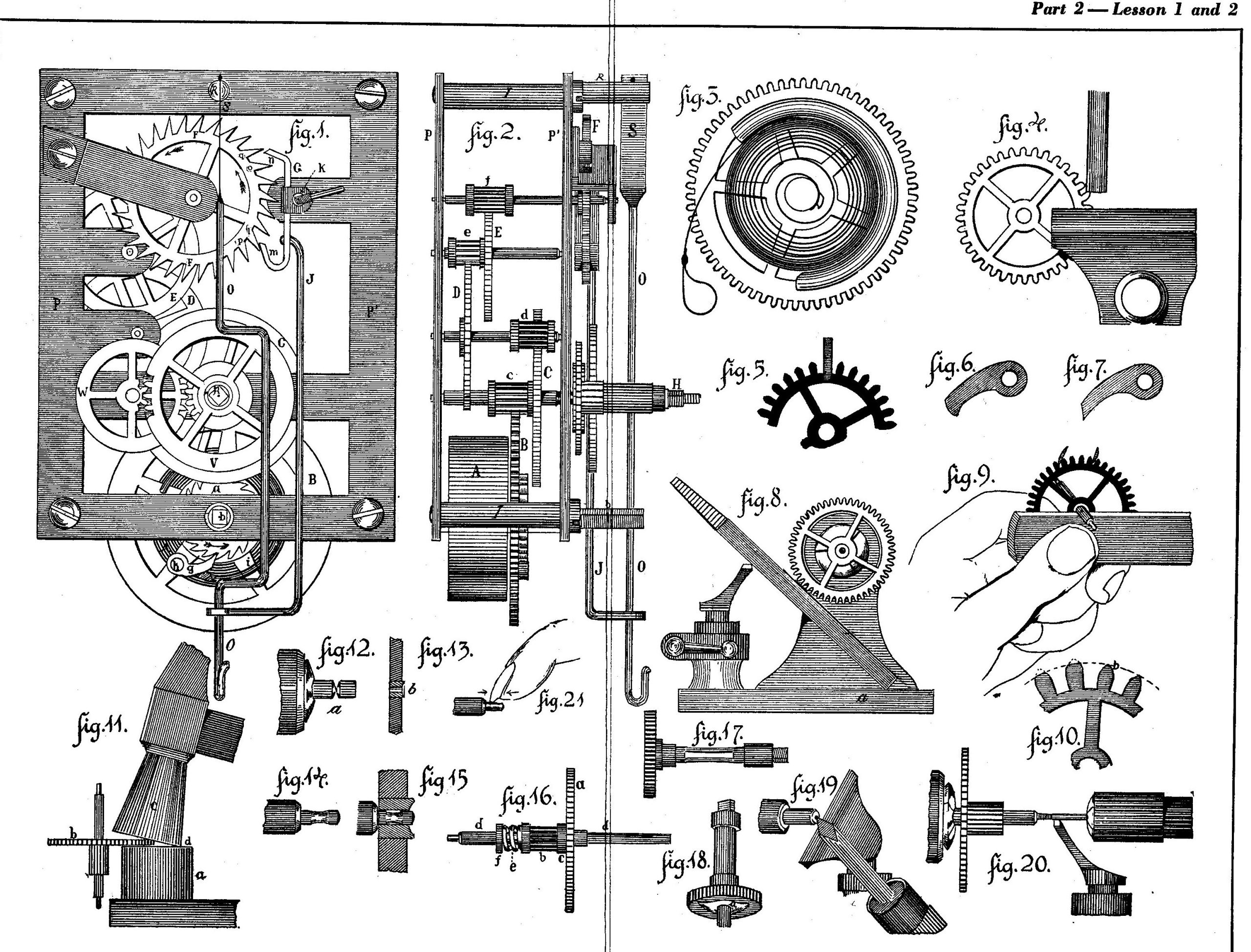
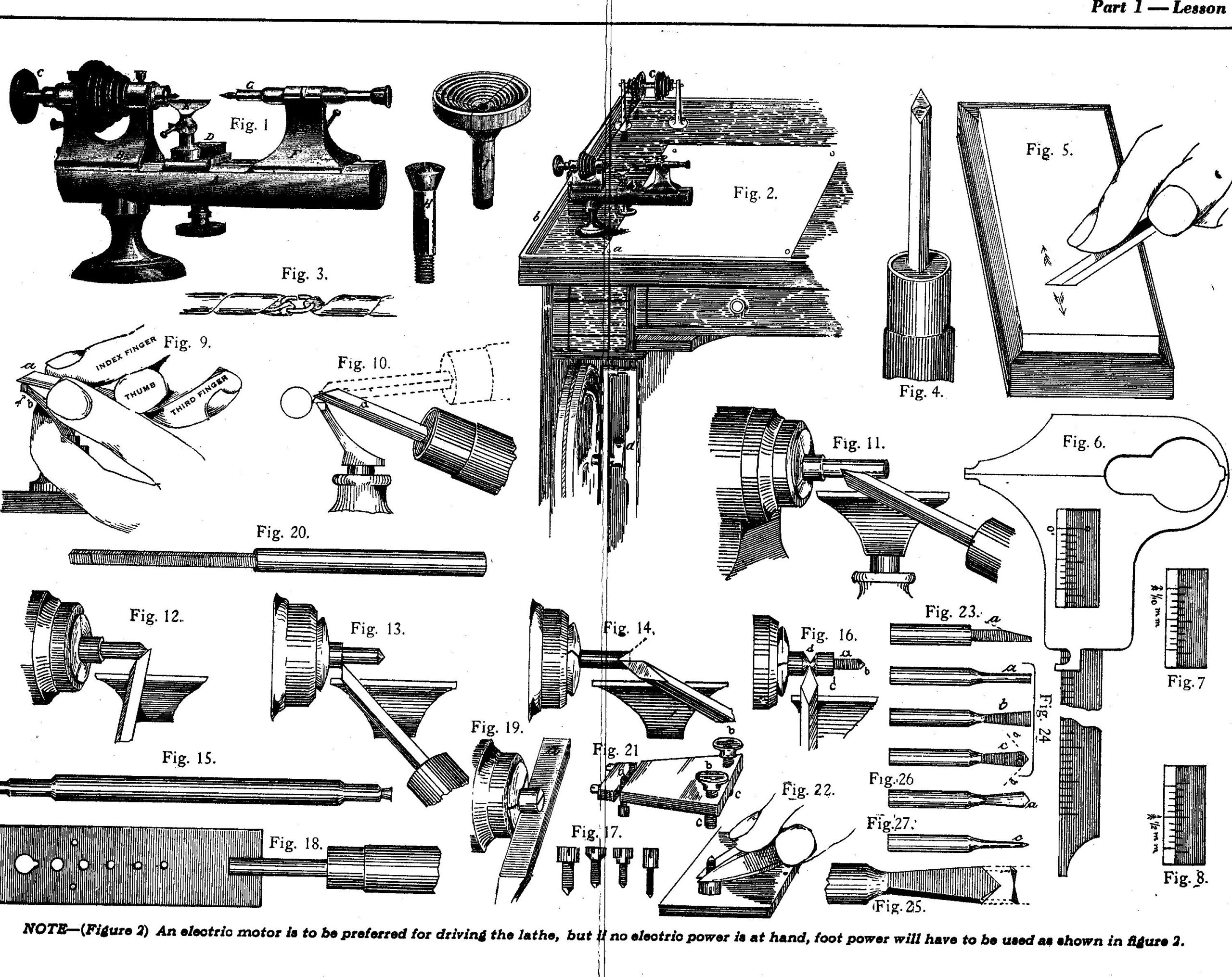
The course has beautiful vintage illustrations.
Clear, hand drawn figures crafted for clarity, true to the original edition.
The illustrations that accompany every lesson are beautiful rich ink drawn illustration images and figures which are useful and clear, giving you clear understanding of complex mechanical concepts leaving you to feel clarity and ease as you progress through each lesson.
No photographs were used in the publication.

It also makes a great irreplaceable reference guide and the step-by-step instruction is most valuable for the interested hobbyist, and this vintage rescued gem is a classic instructional manual that watch / clock repairers, collectors and many horologists should have in their reference library.
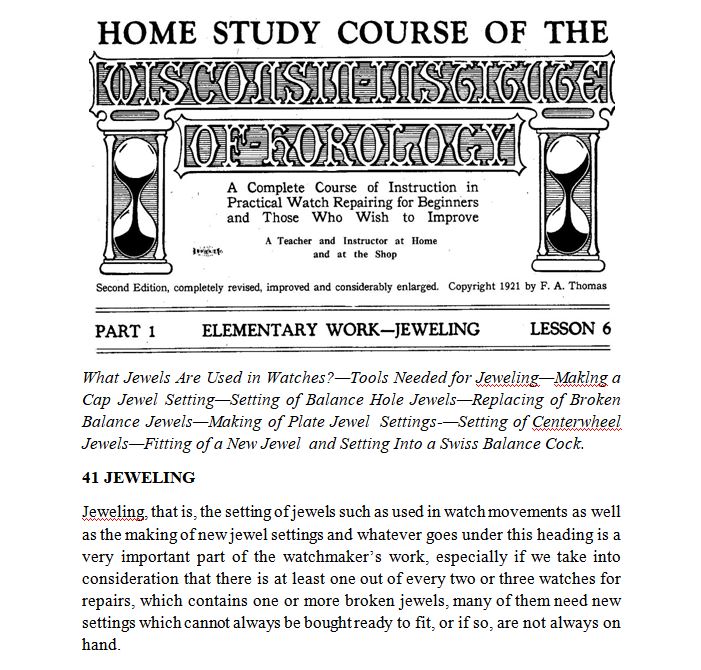
The Original Wording Is Preserved.
Ensuring authentic, old school instruction without modern polishing.
“So there you have it.”
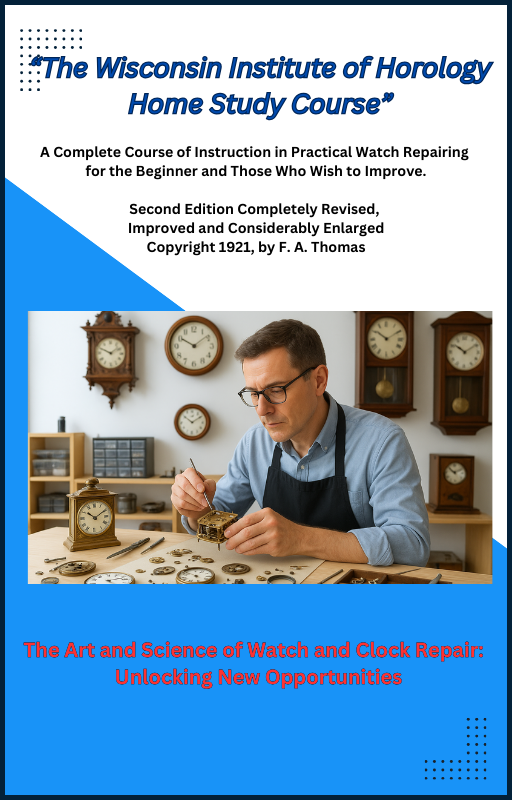
If you have read this far we are sure you can appreciate the time and effort taken to skilfully and meticulously scan the complete copy of all the information covering all aspects of this horological work, and be truly aware of how valuable this information and training will be to you in your future horological endeavours especially in watch and clock repairing so don’t hesitate go ahead…
Secure Your Copy Now!

But Wait…
For A Limited Time Only
“If you secure your copy immediately…
There are 3 really special books for you as a “Thank You”
for purchasing the “Wisconsin Home Study Course”. Right Now!
These books are the most advantageous
publication we have found to compliment the…
“Wisconsin Institute of Horology Home Study Course”.

 This handy little book is just a wealth of horological terms and understanding of watch and clock making technology.
The information and drawings for this Encyclopaedic Dictionary have been taken from an old and out of copy book.
It is a valuable source of information and horological knowledge, covering many types of clocks & watches and their parts. Also included are descriptive passages on early devises used for the measurement of time and many wonderful historical references.
This is an early glossary of horological general terminology covering an extensive and comprehensive work on watch and clock making.
We thoroughly recommend this publication for inclusion on the bookshelf of all horologists whether horological students, historians or interested hobbyists.
A PRACTICAL COURSE IN HOROLOGY
By HAROLD C KELLY
Head, Department of Horology
Southwestern Institute of Technology
Weatherford, Oklahoma

The purpose of this book is to present the fundamentals of horology, both in theory and practice.
Part 1 deals with wheel work and gearing, which involve the work of calculating the number of teeth of missing wheels and pinions and in determining their proper diameters. Principles of escapement design and an analysis of the balance and spring are given considerable space.
Part 2 treats repair methods, in which the making of a balance staff and the adjustment of the escapement are given more than the usual space allotted to these subjects.
Part 3 is concerned with the adjustments to position, isochronism, and temperature, factors.
A PRACTICAL COURSE IN HOROLOGY
May be called the finishing touches of the horological profession
3. History of the American Clock Business by Chauncey Jerome (1860)
A firsthand account from one of the industry’s key figures
History of the American Clock Business
and Life of CHAUNCEY JEROME,
WRITTEN BY HIMSELF.
New Haven: 1860
A title by Chauncey Jerome, who was a Clockmaker in the early 1800s. He made a fortune selling his clocks, and his business became enormous.
Deciding to go into business for himself, Jerome began to make cases, trading them to Terry for wooden movements. In 1850 he formed the Jerome Manufacturing Co. as a joint-stock company with Benedict & Burnham, brass manufacturers of Waterbury.
His future should have been secure but in 1855 he bought out a failed Bridgeport clock company controlled by P.T. Barnum, which wiped him out financially, leaving the Jerome Manufacturing Co. bankrupt.
Written in Jerome’s simple language, and in a bungling manner, he has told his story of his life. As he said, he is no author, but claims a title which he considers nobler, that of a “Mechanic.”
Being possessed of a remarkable memory, and able to give a minute account and even the date of every important transaction of his whole life, he distinctly remembers events which took place when he was but a child, three and a half years old, and how he celebrated his fourth birthday. He could relate many instances of his boyhood and later day experiences if his health, and strength would permit. It had been no part of his plan to boast, exaggerate, or misrepresent anything, but to give only the “plain facts.
“This is a Must Read for any Clock Enthusiast or Horological Historian”…

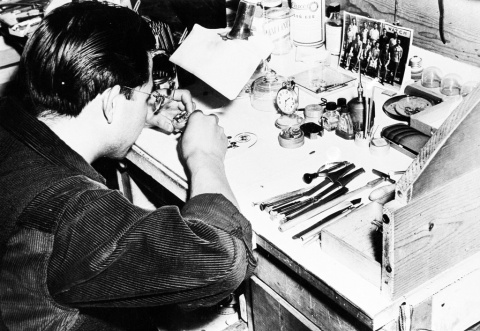
but at this stage you still might be wondering…
Is the Wisconsin Institute of Horology Home Study Course For me?
All I can say, in all honesty is…
So Yes -This Is Definitely For You.
It is a must have in any horologist book collection.
From Hobbyist to Horologist
This Course Is Your Game Changer
Imagine Where You Could Be After Working Through The Complete 23 Lessons
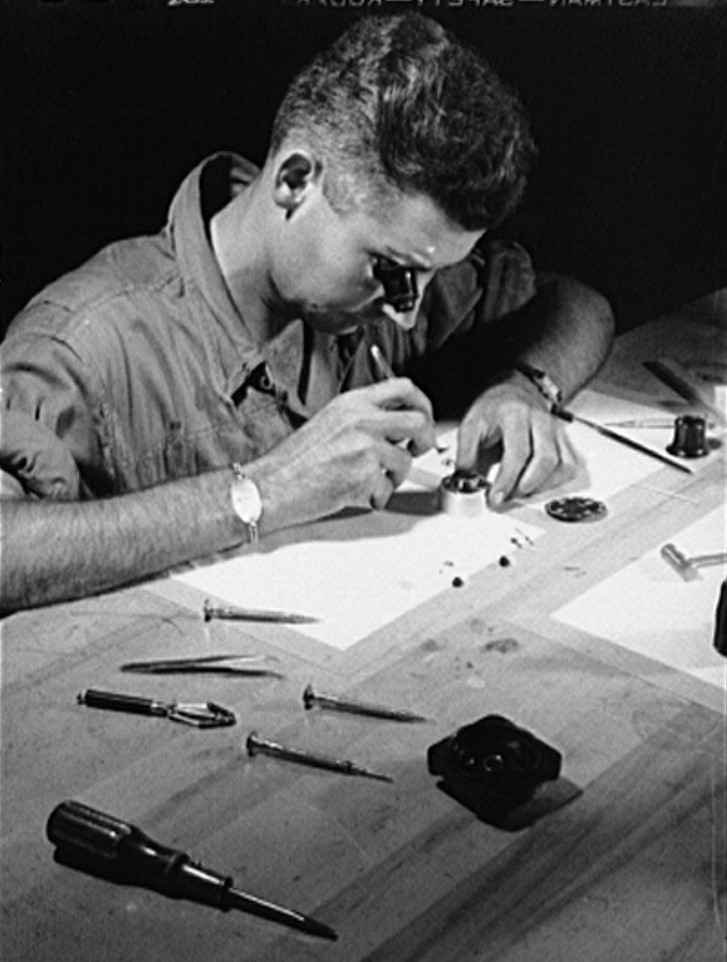
Within a matter of weeks of consistent study and practice, you’ll possess a structured understanding of traditional watch and clock repair principles, giving you the confidence to tackle increasingly challenging restoration projects.
Rather than guessing your way through repairs, you’ll have a logical progression of knowledge based on methods taught to generations of professional horologists.
Here’s What You’ll Love About This Course…
✓ Study a complete 23-lesson curriculum from a respected historical horology institute.
✓ Read comfortably on your computer, tablet, or phone using convenient PDF format.
✓ Learn foundational techniques before progressing into advanced watch repair.
✓ Preserve and study authentic historical repair knowledge that remains valuable for understanding
traditional mechanical timepieces.
✓ Revisit any lesson whenever you need a refresher—no classroom schedule required.
✓ Build your understanding at your own pace from home.
✓ Gain insight into both the technical craft and business side of traditional watch making.
What Others Are Saying
 “Before finding this course, watch repair seemed incredibly intimidating. Every time I opened a movement, I felt like I was one mistake away from ruining it. The lessons broke everything down into manageable steps, and suddenly concepts that once seemed complicated actually made sense. After working through the curriculum, I feel confident tackling repairs I never would have attempted before.”
Bradly Hart, – Hobby Watch Repair Enthusiast
 “I’d watched countless videos online, but none of them connected the dots like this course. The structured lessons helped me understand not just what to do, but why I was doing it. My confidence grew with every lesson, and I’m now restoring vintage watches that had been sitting in my drawer for years.”
Barrie Walker,- Vintage Watch Collector
 This course has become irreplaceable in my business. The sections on movements, turned what used to feel overwhelming into buying skills I could actually practice that have turned into monetary values. I finally feel like I have a solid foundation in horology instead of just guessing my way through repairs.”
Tracey Simpson- Antique Clock Restoration/Sales

Q: “This course is over 100 years old. Is the information still relevant?”
A: That’s a fair question. While modern watches include technologies that didn’t exist in 1921, the principles behind traditional mechanical watches and clocks have changed remarkably little. Skills such as filing, pivoting, jewelling, movement assembly, escapement understanding, and precision hand work remain foundational for anyone interested in servicing vintage and many modern mechanical timepieces. This course is best viewed as a study of classic horological craftsmanship rather than training on contemporary electronic or quartz watches.
Q: “Why should I buy this when there are free YouTube videos?”
A: Free videos can certainly be helpful, but they’re often scattered, inconsistent, and assume prior knowledge. This course follows a structured curriculum originally designed to teach students progressively—from basic workshop skills through advanced watch repair concepts. Instead of trying to piece together information from dozens of different sources, you’ll have a logical learning path you can study at your own pace.
Q: “I’m a complete beginner. Will this be too difficult?”
A: The curriculum was originally developed as a home study course, beginning with elementary skills before moving into more advanced subjects. That gradual progression makes it approachable for motivated beginners who are willing to study and practice. Like any skilled craft, mastery takes time, but the course starts with the fundamentals rather than expecting prior experience.
Q: “It’s only a PDF. Why should I pay for digital documents?”
A: What you’re purchasing isn’t simply a collection of PDF files—it’s access to a carefully digitised and organised edition of a complete historical training curriculum. The PDF format makes the material searchable, portable, and easy to read on computers, tablets, and phones while preserving the original instructional content in a convenient form
Q: “Can I really learn watch repair from reading?”
A: Reading alone won’t make anyone an accomplished watchmaker. Practical skills develop through hands-on practice, patience, and repetition. What this course provides is the knowledge, techniques, and instructional guidance that help you understand what to practice, why certain methods are used, and how traditional repair work is approached
Q: “I don’t own expensive watch making tools.”
A: Many students begin by learning the theory before gradually building their workshop over time. The course explains numerous techniques and introduces the tools traditionally used in the trade, allowing you to better understand which tools you’ll eventually need. You don’t have to purchase a fully equipped professional workshop before you begin learning.
Q: “Is this just a scanned copy that’s difficult to read?”
A: The course has been digitised and meticulously copied into PDF format to make reading significantly more convenient than handling fragile originals. While historical documents naturally retain some characteristics of their age, the goal is to preserve the instructional material in a practical format suitable for modern electronic devices
Q: “Can this help me repair modern watches?”
A: This course focuses on traditional watch making and clock repair techniques. Many of the underlying mechanical principles remain applicable to modern mechanical watches, but it is not intended as a guide to quartz movements, smartwatches, or proprietary servicing procedures used by today’s luxury manufacturers. Buyers interested in classic mechanical horology will likely find the greatest value.
Q: “Is £29.97 worth it?”
A: Only you can decide what the knowledge is worth to you. For many enthusiasts, the price is modest compared with the cost of a single professional repair, a few replacement watch parts, or a modern training course that can cost hundreds or even thousands of dollars. If you’re interested in studying traditional horology in a structured format, it offers an affordable way to access a substantial body of historical instructional material
Q: “Will this actually help me become a watchmaker?”
A: This course can provide valuable historical instruction, practical techniques, and foundational knowledge, but becoming a skilled watchmaker ultimately depends on consistent study, hands-on practice, experience, and continued learning. Think of it as a comprehensive educational resource that can support your development rather than a shortcut to professional mastery. Many successful craftspeople build their expertise over time, and every journey begins by learning the fundamentals.
Q: What if I have questions or get stuck?
A: There is no offer of support or training for this course.
For general enquires mail… support@riversdaleclocks.com) We answer 90% of queries within 24 hours Monday to Friday but it can occasionally take 48 hours during busy periods.
So what’s all this worth to you!
Is it time to unlock your potential as a Horologist?
With this Complete Course of Instruction in practical watch and clock repair you can now take your watch and clock repair skills to the next level and transform your hobby into a passion with this comprehensive training course and learn to repair and restore watches and clocks to their former glory.
But even more, you will transform your passion for horological repair or collecting into a lucrative endeavour or turn your hobby into a profitable enterprise as this course has the intention of teaching the student all that is required to repair watches and clocks adequately enough to open a watch repair business, as the lessons are all very hands-on and application oriented in nature.
First, let’s have a look at what you are getting:
What You’ll Get…
Full 23‑lesson curriculum, spanning:
Folder 1: Elementary skills (filing, lathes, pivoting, jewelling) lessons 1-6 (£35.97 Value)
Folder 2: Clock repair basics (mechanism, mainsprings, striking systems) lessons 1-4 (£20.97 Value)
Folder 3: In‑depth watch repair (movements, casework, jewelry fixing) lessons 1-11 (£74.95 Value)
Supplement 1: Watch‑case & jewelry repair – lesson-12 (£20.97 Value)
Supplement 2: Business essentials of watchmaking – lesson-13 (£20.97 Value)
1 PDF file: containing the full index for quick reference
1 PDF file: Publishers Notes.
PLUS – By acting today you also secure the bonuses:
Folder 4: Bonus: 3 really special most advantageous publications…
Horological Encyclopaedic Dictionary
A glossary of timepiece terms and early time measurement devices. (£6.95 Value)
A Practical Course in Horology by Harold C. Kelly
Theory & practice in wheel work, escapement design, and balance adjustments. (£6.95 Value)
History of the American Clock Business by Chauncey Jerome (1860)
A firsthand account from one of the industry’s key figures (£6.95 Value)
That’s a Total Combined Value of…
Over £194.68!
But you’re not going to pay anywhere near that.
Although some might call me crazy I’ve made a firm
decision to give you full access to the entire…
“Wisconsin Institute of Horology Home Study Course”.
Today For a Fraction Of Its Real World Value.
 My name is Barry Share, Riversdale Clocks has been my horological repair and restoration business for over the last 30 years. I started thinking back to how much this information would have meant to me if I could have been able to get my hands on it when I started my career in horology, before I paid thousands out in tuition fees to get qualified, 40 years ago!.
So I’m sure you can understand when I say I don’t want to let the price of this Home Study Course get in the way of anybody acquiring the knowledge and skills of the old masters and even though I could charge (and get) a whole lot more, I’ve decided to sell this entire digitised package of this amazing vintage Watch and Clock Repair home study course, 23 PDF booklets and 3 special bonus books for the…
Ridiculously Low Price of only £29.97…

Why is the price so ridiculously low?
Excellent question and here’s the simple answer…
To be totally honest with you I am fully retired now but I have kept the Riversdale clocks site running as an information site, in the hope it is of some value to other clock builders and watch and clock repairs so let’s just say I think it is good and correct to “give back” to the community.
 The digitisation of the Wisconsin Institute Home Study Course was never a money making project it was always about helping people to acquire the practical techniques, skills and knowledge of watch and clock repair.
You may ask, then why don’t you give it away Barry.
Well I could, but it is in my experience that most free information products are of little value and are downloaded by every Tom Dick and Harry then left on their hard drive and never read.
By charging a minimal far price I believe the Wisconsin Institute Home Study Course will be bought by people who need it and are committed to increasing their skills and knowledge in the trade and furthermore any revenue generated contributes to keeping the Riversdale Clocks site running.
The digitised copy of the Wisconsin Course is a one off stand alone honest quality information product. There is nothing else to buy; there are no up-sells down-sells, list to be added to and no member’s area to join.
Please note.
There is no offer of support or training for this course…
I’m sorry, due to the nature of digital formatted items I don’t accept returns, exchanges or cancellations.
NO REFUNDS will be issued. ALL SALES ARE FINAL.
I am sure you understand why.
Please contact Riversdale Clocks about any problems with your order.
For general enquires mail… (support@riversdaleclocks.com)

Right Now, You Have Just 2 Options…
Option 1:Close this page and carry on with your day.

Let other people grab the advantage while you keep on going with picking up tips from around the web, a product here, an article there, a video somewhere else.
As you know for most people this results in more wasted time, and money, a lot of frustration and perhaps most importantly a huge delay in reaching their watch and Clock aspirations. But perhaps you are different?
….Or…
Option 2: Be smart; grab Wisconsin Institute Home Study Course for yourself.
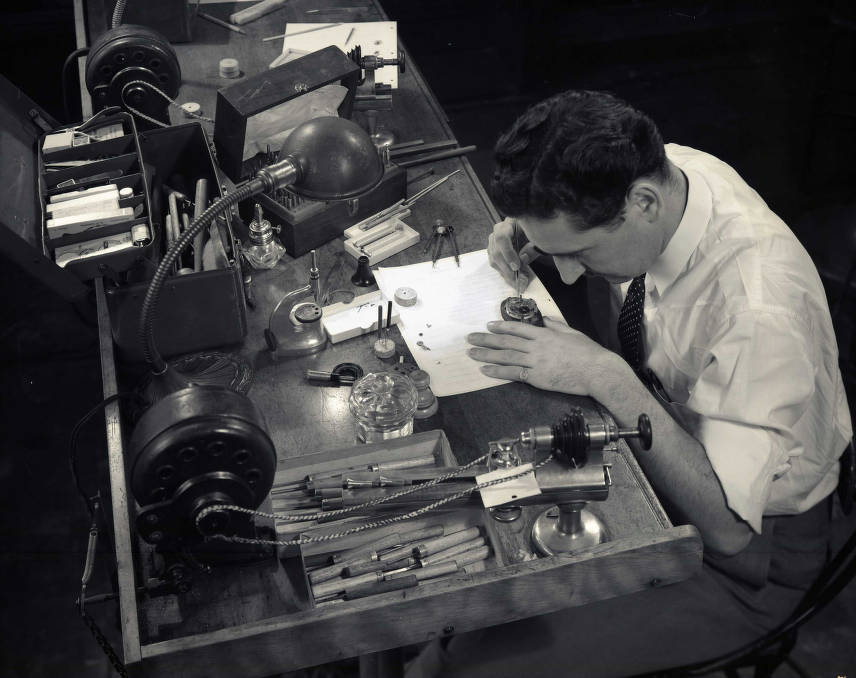
And start acquiring the practical techniques, skills and knowledge of Watch and Clock Repair and taking this one time opportunity to explore the possibilities of a career in Horology and master this wonderful age old craft TODAY.
As you know one of the common characteristics of the most successful horological repairers and restorers is that they learn, borrow and adapt from the experience and knowledge of others.
Why reinvent the wheel or blaze a brand new trail into unknown when you can simply deploy the same tactics that have been PROVEN to work by others?
Let’s be brutally honest – your current plan has got you precisely to the stage you’re at right now.
If you’re happy with that then great, I wish you well.
But if you’re not then remember you’ve got to make a change and seize opportunities when they arise. If a map to your destination already exists, wouldn’t you just grab it and use it?
Ultimately, it’s up to YOU to decide
how quickly you want to achieve your
Watch and Clock Repairing goals.
So let’s wrap this up…

Not Just a Course — A Treasure Chest of Horological Wisdom
Three bonus books, beautiful vintage diagrams, and the full original curriculum
You Can Download Your Copy Right Now
Get Instant Access Today For Just £29.97
Click the button below now to secure your copy and start learning
the timeless techniques of traditional watch and clock repair…
Secure your copy Now!

To Your Success,

Barry Share (Riversdale Clocks)
P.S. Historical horology training materials like this can be difficult to locate in a complete, digitised format and every day you postpone learning is another day your projects remain unfinished and valuable repair skills remain undeveloped.
P.P.S. The introductory price of $29.97 may change without notice.
P.P.P.S. Please note there is no offer of support or training for this course.
Due to the nature of digital formatted items we don’t accept returns, exchanges or cancellations.
NO REFUNDS will be issued. ALL SALES ARE FINAL.
I am sure you understand why.
 Please contact Riversdale Clocks about any problems with your order.
For general enquires mail… support@riversdaleclocks.com)